
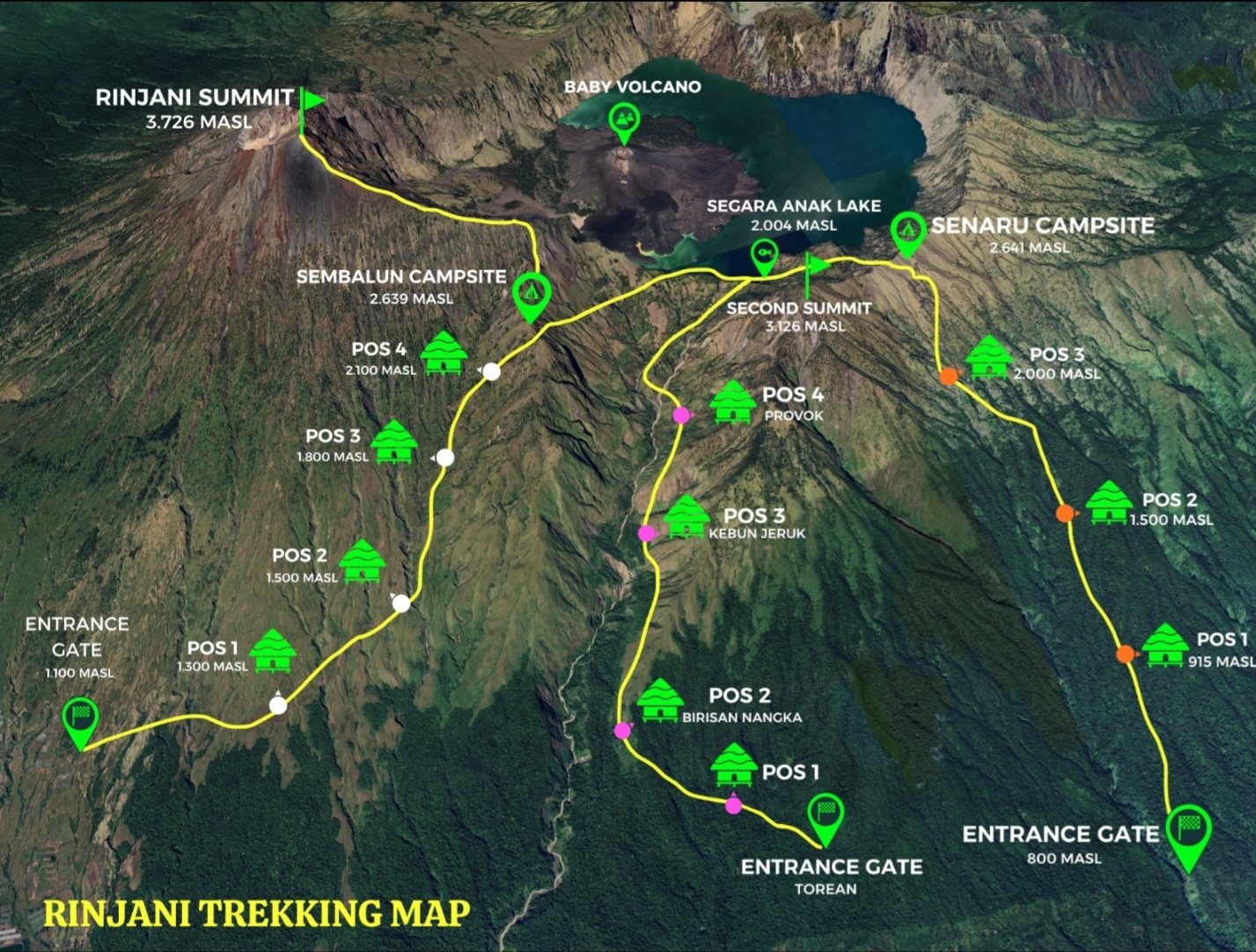
Planning a trek to Mount Rinjani can bring up many questions, especially for first-time hikers. This FAQ section is designed to help travelers understand everything they need to know before starting their adventure with Rinjani Fun Trekking. From trekking routes and permits to fitness requirements and the best time to visit, these answers provide clear and practical information to help you prepare for a safe and memorable journey.
As Indonesia’s second-highest volcano, Mount Rinjani attracts thousands of hikers every year with its breathtaking crater lake, stunning summit views, and unforgettable camping experiences. Whether you are choosing between a 2-day, 3-day, or 4-day trekking package, understanding the essential details beforehand can make your trip more enjoyable and stress-free.
At Rinjani Fun Trekking, we are committed to providing professional guides, reliable services, and up-to-date information for every traveler. Browse through our frequently asked questions below to find answers about permits, equipment, transportation, accommodation, weather conditions, and more. If you need additional assistance, our team is always ready to help you plan the perfect Mount Rinjani trekking experience.
Discover everything you need to know about trekking Mount Rinjani and start your adventure with confidence.
❓ Frequently Asked Questions (FAQ)
- Can beginners join the Trekking Rinjani Summit 4D3N tour?
While this is a challenging route due to the steep summit climb and crater descent, ambitious beginners with good physical fitness can complete it. Because this is a 4-day trek, the daily pace is more manageable than shorter 2-day or 3-day itineraries, giving your body more time to adapt and rest. We highly recommend starting cardio preparation 4 to 8 weeks before arriving in Lombok.
- Where can I leave my extra luggage during the trek?
You only need to carry your small daypack (20–30L) containing personal items like layers, cameras, and medication on the mountain. Your main luggage, travel suitcases, and any extra items can be safely locked and stored at our base accommodation in Senaru Village at no extra cost. They will be waiting for you when you return.
- What are the toilet facilities like on Mount Rinjani?
There are no public indoor toilets or plumbing facilities on the mountain trails. However, our porter team will set up a private toilet tent at every campsite (Sembalun Crater Rim, Lake Segara Anak, and Senaru Crater Rim) for your group's exclusive use. It features a dug hole system with a proper toilet seat for your comfort and privacy.
- Is the water safe to drink during the trek?
Yes, absolutely. Our porter team carries fresh water up the mountain or sources it from clean mountain springs. All drinking water provided to you is thoroughly boiled or filtered before serving. You will also be supplied with bottled water at the start of your trek.
- What kind of meals are provided on the tour?
You will be surprised by how well you eat on the mountain! Our talented porters cook fresh, hot meals three times a day. Menu items include local Indonesian favorites like Nasi Goreng (fried rice), Mie Goreng (fried noodles), chicken curry, banana pancakes, fresh fruits (pineapples, watermelons, apples), and hot drinks (coffee, tea, hot chocolate).
🥦 Dietary Restrictions: We happily accommodate vegetarian, vegan, and gluten-free diets. Please let us know your dietary preferences when booking so our team can prepare accordingly!
- When is the best time of year to do this trek?
The Mount Rinjani National Park is officially open for trekking from April 1st to December 31st. The best weather occurs during the dry season from May to October, when trails are clear, dry, and offer the safest climbing conditions. The park is closed from January to March every year due to heavy monsoon rains.